Fire Alarm System Maintenance Best Practices for St. Louis Businesses
Protecting Lives and Property Through Proper Maintenance
Your fire alarm system is your first line of defense against one of the most devastating threats to your business. At Flare Communications, we've installed and maintained fire alarm systems throughout St. Louis for over two decades, and we've seen firsthand how proper maintenance can mean the difference between a minor incident and a catastrophic loss.
Why Regular Maintenance Matters
Fire alarm systems are complex networks of sensors, control panels, notification devices, and communication equipment. Like any sophisticated system, they require regular attention to function reliably when you need them most.
Beyond the obvious safety benefits, regular maintenance is also a legal requirement. The National Fire Protection Association (NFPA) 72 code mandates specific inspection, testing, and maintenance schedules for fire alarm systems. Failure to comply can result in fines, insurance complications, and liability issues.
Monthly Visual Inspections
While comprehensive testing requires professional expertise, building owners and facility managers should perform basic monthly visual inspections:
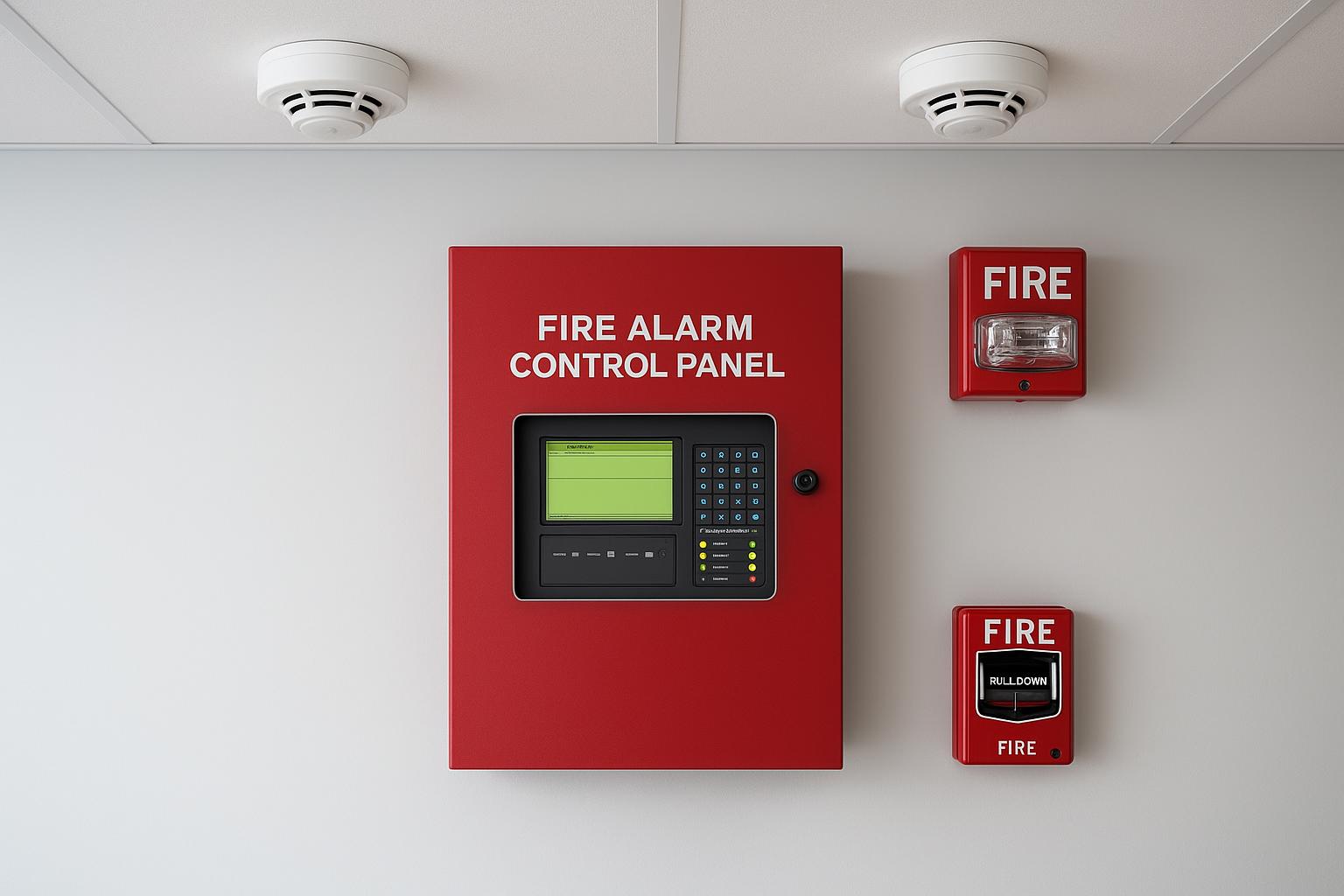
Control Panel Check: Verify that the fire alarm control panel shows normal operation with no trouble signals. The panel should be free of dust and debris, with all indicator lights functioning as expected.
Device Inventory: Walk through your facility and visually inspect all smoke detectors, heat detectors, pull stations, and notification devices (horns, strokers, speakers). Look for physical damage, paint overspray, or obstructions that could impair function.
Clear Access: Ensure that all fire alarm devices remain accessible and visible. Renovations, new furniture, or storage can sometimes block devices or create dead zones in coverage.
Quarterly Professional Testing
Every three months, a qualified technician should perform functional testing of your system:
Detector Testing: Smoke detectors should be tested with calibrated aerosol or magnet testing tools to verify proper sensitivity. Heat detectors require heat source testing to confirm activation at the correct temperature.
Pull Station Testing: Manual pull stations should be activated to verify they trigger the system and communicate properly with the control panel.
Notification Device Testing: All horns, strobes, and speakers must be tested to ensure they activate at proper volume and visibility levels throughout the building.
Battery Backup: The system's backup batteries should be load-tested to verify they can power the system for the required duration during a power outage.
Annual Comprehensive Inspection
Once per year, your fire alarm system requires a thorough inspection and testing protocol:
Full System Test: Every device in the system should be tested, including those in hard-to-reach locations. This includes testing all zones, circuits, and communication pathways.
Sensitivity Testing: Smoke detectors should be tested for proper sensitivity using calibrated equipment. Detectors that have drifted out of specification must be cleaned or replaced.
Battery Replacement: Backup batteries typically need replacement every 3-5 years depending on the type. Annual testing helps identify batteries approaching end of life.
Documentation Review: All system documentation should be reviewed and updated, including as-built drawings, device locations, and maintenance records.
Common Issues We Encounter
During our maintenance visits in St. Louis, we frequently encounter these preventable problems:
Dust and Debris: St. Louis's seasonal weather means dust accumulation is a constant challenge. Dirty smoke detectors can cause false alarms or, worse, fail to detect actual fires.
Painted-Over Devices: Renovation work sometimes results in devices being painted over, which can completely disable smoke detectors.
Outdated Equipment: Fire alarm technology has advanced significantly. Systems more than 15-20 years old may lack modern features and reliability.
Poor Documentation: Many buildings have incomplete or outdated system documentation, making troubleshooting and expansion difficult.
The Cost of Neglect
Skipping maintenance might seem like a cost-saving measure, but the potential consequences are severe:
- Life Safety Risk: A malfunctioning system may fail to alert occupants during an actual fire
- Property Damage: Early detection is critical for minimizing fire damage
- Code Violations: Inspectors can issue citations and fines for unmaintained systems
- Insurance Issues: Many policies require proof of regular maintenance
- Liability: In the event of a fire, lack of maintenance could create legal liability
Flare Communications Maintenance Programs
We offer comprehensive fire alarm maintenance programs tailored to your facility's needs:
Scheduled Service: We handle all required inspections and testing on a fixed schedule, ensuring you remain compliant without having to track deadlines.
24/7 Emergency Response: If your system develops a problem, we respond quickly to restore protection and minimize downtime.
Detailed Reporting: After each service visit, you receive comprehensive documentation suitable for insurance and regulatory requirements.
Proactive Recommendations: We identify potential issues before they become problems and provide clear guidance on repairs or upgrades.
Serving St. Louis City and County
As a locally-owned business serving the St. Louis area since 2000, we understand the specific challenges our climate and building stock present. From historic buildings downtown to modern facilities in the county, we have the expertise to maintain any fire alarm system.
Take Action Today
When was your fire alarm system last professionally inspected? If you can't remember, or if it's been more than a year, it's time to schedule service.
Contact Flare Communications today to discuss a maintenance program that keeps your property safe, compliant, and protected.
Call (636) 391-7530 or email installs@flarecomm.com to schedule your fire alarm system inspection.
Related Articles
Ready to Upgrade Your Network?
Contact Flare Communications for expert installation and support